
8 Signs Your Roof Decking Is Quietly Rotting Underneath
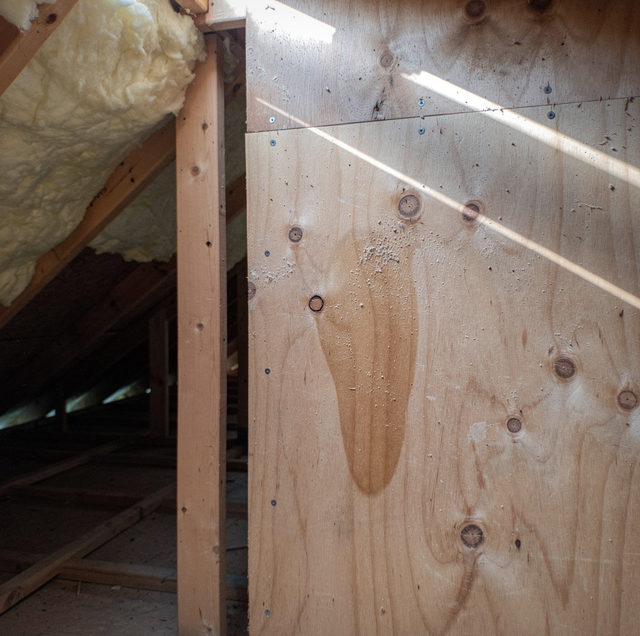
Your shingles get all the attention, but they are only the outer skin of your roof. Underneath them sits a layer of wood most homeowners never see: the roof decking, also called the sheathing. This is the flat surface, usually plywood or oriented strand board, that every shingle, nail, and layer of underlayment attaches to. When that wood stays wet, it rots. And because it is hidden between the shingles above and the attic insulation below, it can rot for a long time before anything on the surface looks wrong.
Understanding how decking fails, and the signals it sends, helps you catch a small repair before it becomes a structural problem. This is a diagnostic walk-through, not a how-to for climbing up there yourself. Some of these signs are safe to check; others should only be evaluated by a professional standing on the roof.
Quick Answer: Roof decking rots when moisture reaches the wood and lingers. The clearest signs are a sagging or dipping roofline, dark stains or daylight visible in the attic, a musty or moldy smell, shingles that pop loose or won't hold nails, and shingles that appear to sink between the rafters. A soft, spongy feel underfoot is a serious warning, but confirming it means walking a compromised roof, which is a job for a professional.
How Decking Rots in the First Place
Wood rots when it stays damp long enough for fungi to break down its fibers. The decking is designed to stay dry, protected above by shingles and underlayment, and ventilated below by the attic. Rot starts when that protection fails somewhere, and moisture finds a way in and then can't get back out.
The most common culprit is a chronic leak. A cracked shingle, a failed flashing joint around a chimney or vent, or worn underlayment lets water seep down to the wood. A single storm rarely does it, but the same small leak, wetting the same square foot every rain for a couple of years, will.
Ventilation problems cause a quieter version of the same damage. In a hot, humid climate, warm moist air rises into the attic. If the attic lacks balanced intake and exhaust vents, that air has nowhere to go. It hits the cooler underside of the decking and condenses, coating the wood in a fine film of moisture that never fully dries. The decking can rot from the inside out with no roof leak at all.
Other paths include wind-driven rain forcing water sideways under shingle edges, water intrusion at the eaves, and clogged gutters that let water back up under the first courses of shingles. In a hot, humid climate, heat and heavy rainfall both push on a roof, but in opposite directions. Sustained heat and daily thermal cycling age and dry the shingles that protect the deck, while heavy rain supplies the moisture that rots it once that protection thins. A roof here is worked on from both sides year-round, not just during storm season.
The Warning Signs You Can See from the Ground and Inside
You do not need to walk the roof to spot most trouble. A pair of binoculars and a careful look around the attic tell you a great deal.
A sagging or dipping roofline: Stand back and look at the roof against the straight line of the ridge or the eave. A healthy roof plane is flat and true. A visible dip, wave, or valley where there shouldn't be one means the wood beneath has lost strength and is bending under its own weight and the load of the shingles. This is the most serious visible sign, and it is structural.
Shingles that sink between the rafters: Look closely at the shingle field. If the shingles bow or dish slightly in the bays between rafters, while staying firm right over each rafter, the decking spanning those bays has softened and is giving way.
Shingles that won't stay put: Popping shingles, lifted corners, and nails that back out over time can all point to wood that has gone soft. Fasteners need a firm material to bite into. When the deck turns punky, nails lose their grip.
Heavy granule loss and surface wear: Granules washing off into the gutters signal aging shingles. On its own, that is surface wear, not decking rot. But failing shingles are also a failing barrier, so heavy granule loss paired with any of the interior signs below is worth taking seriously.
Peeling, blistering, or leaks: Water stains on a ceiling, active drips, and blistered shingles all mean moisture is getting where it shouldn't. Follow the trail: surface leaks are exactly what feed decking rot over time.
What the Attic Tells You
The attic is where hidden rot shows itself first, so it earns its own look. On a dry day, with a flashlight, study the underside of the decking between the rafters.
Dark stains and water marks on the wood trace where moisture has traveled. Streaks running down from a nail or a seam point to a leak above. A broad, even darkening across a whole section points more toward condensation from poor ventilation. If you can see pinpoints or thin lines of daylight coming through the boards, the decking has gaps or has deteriorated enough to open up. And trust your nose: a damp, moldy, or musty smell means moisture is living in the wood even if you can't yet see the stain.
Telling Surface Wear Apart from Structural Rot
This distinction matters because the two problems operate on completely different scales. Shingle wear is cosmetic and expected. Shingles are consumable; they weather, lose granules, curl at the edges, and eventually need to be replaced. That is normal aging of the outer layer.
Decking rot is structural. It is the roof frame going soft, not the skin. Think of it like a wall with wallpaper. Peeling, faded wallpaper is a surface issue you can strip and redo. But if the plaster and studs behind it have gone soft and crumbling, no amount of fresh wallpaper fixes the wall. Shingles are the wallpaper; the decking is the wall behind it. That is why laying new shingles over rotted decking is a false economy: the new surface has nothing sound to hold to, and the problem returns fast.
The two materials also fail in recognizable ways, which helps an inspector read the damage. Plywood is built from thin wood veneers glued in layers, and when it rots, it delaminates, the plies separating and peeling apart. Oriented strand board is made of wood strands compressed with resin; when it stays wet, it swells, especially along the cut edges, then crumbles and loses its structure. Different look, same result: neither can hold a nail once the damage sets in.
Why This Matters and What Happens Next
Rotted decking is not a problem you can wait out. Beyond leaks and fastener failure, badly rotted sheathing loses its load-bearing strength. It can no longer safely carry the weight of the roofing above or a person walking on it, and in advanced cases, a section can give way underfoot. That is the danger behind the spongy, springy feel a roofer describes when a deck has gone bad, and it is exactly why you should never walk on a roof you suspect is compromised. The risk of falls and of breaking through is real.
Because decking sits beneath everything, it can only be properly inspected and replaced when the shingles are removed. During a reroof, once the old roofing is stripped, the whole deck is exposed and walked. Isolated soft spots get cut out and patched with new sheathing. Widespread rot means sheeting larger areas or the entire roof before new underlayment and shingles go down. This is the point in the process where hidden damage finally comes to light, and it is why a reputable roofer inspects the deck rather than simply shingling over whatever is underneath.
If you have spotted any of the ground-level or attic signs above, the next step is a professional inspection. A roofer can safely assess the deck from above, confirm whether the softness is isolated or widespread, and tell you whether you are looking at a patch or a larger repair, before anyone puts their full weight on a questionable surface.
Frequently Asked Questions
Often yes, but staining alone can be old and dry rather than active. To settle it, press the pins of a moisture meter into the sheathing: a reading above roughly 20 percent means the wood is actively wet, while sound, dry sheathing reads well under that. That single number separates a stain worth acting on from surface discoloration left behind years ago. It is the check a roofer runs before deciding whether a section needs replacing or just watching.
It does, and the mechanism is what differs. In OSB, the resin binder holding the compressed strands together is the part that fails when the board stays wet, so the strands swell, lose their bond, and the panel puffs up before it crumbles. Plywood fails along a different plane, separating along the glue lines between its thin veneers rather than through the wood itself. Knowing which material is up there tells a roofer which failure pattern to look for before opening anything up.
Shingles are only as sound as the wood they are nailed to. When nails are driven into soft, rotted decking, they have nothing firm to bite into, so they back out or pull straight through. Within a season, those shingles begin to lift and leak, and you are back to square one, having paid for a new roof. That is the core reason a roofer checks and repairs the deck before laying anything new over it.
Very much so, and the fix hinges on balance. A properly vented attic pulls roughly equal air in low at the soffits and pushes it out high at the ridge, so moisture keeps moving instead of settling. A common hidden failure is blocked soffit vents, often due to insulation stuffed over them during a top-up, which stalls airflow and lets humid air condense on the underside of the sheathing. Because the exhaust may look fine from the ridge, the starved intake down at the eaves is easy to miss until the wood has already softened.
It signals a loss of strength somewhere in the structure, and where it sits tells you more. Pressing on the sheathing from inside with a tool handle will sink into the rotted wood, confirming that the deck itself is the problem. A dip that instead follows a rafter line points to a rafter or truss issue rather than the decking alone, a different and larger repair. Either way, a sagging plane means weight is no longer safe overhead, so the roof stays off-limits until someone can assess it properly.
Isolated soft sections can be cut out and patched, but the patch has to match the original panel. Decking comes in standard thicknesses, commonly 7/16-inch OSB or 1/2-inch plywood, and a new piece must match the existing thickness to keep the finished roof plane flat rather than showing a ridge or dip under the shingles. Widespread rot pushes the job toward sheeting large areas or the full deck. The true extent only shows once the old shingles are stripped and the wood is exposed, which is why the deck is inspected at that stage.
Schedule a professional roof inspection — catch hidden decking rot before it turns into a structural repair. Epic Roofing LLC serves Mandeville, Covington, Baton Rouge, and the surrounding area. Call (225) 819-3742 for an inspection.
