
Soffit and Fascia: The Roof Edge Most Owners Miss
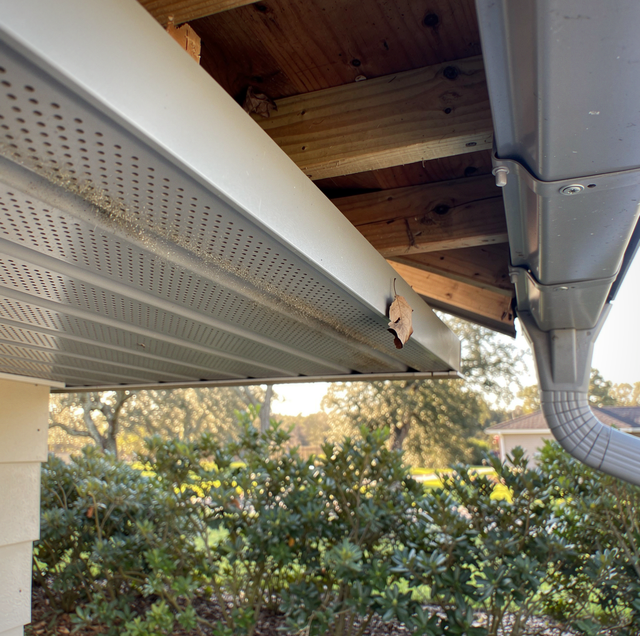
Most of the roof you can see from your yard is the field of shingles, but some of the hardest-working parts sit at the edge, tucked under the eaves and along the roofline where you rarely look. Soffit is the panel running under the roof overhang, and fascia is the board that caps the rafter ends and runs along the gutter line. Neither sheds rain the way shingles do, and neither gets much attention until something goes wrong, by which point the fix is often bigger than it needed to be.
Soffit and fascia work as a pair, each with a specific mechanical job that keeps the rest of the roof functioning as designed. When either fails, the problem rarely stays contained to that one board or panel; it tends to spread into the attic, the roof deck, and eventually the framing itself.
What Soffit Actually Does For Your Attic
Soffit is the underside surface of your roof overhang, the part you see when you look straight up from under the eave. It looks like a simple finish piece, but a properly installed soffit panel is perforated or vented, which means it's built to let outside air pass through into the attic space above it.
That airflow matters because an attic needs a constant, low intake of fresh air to balance the warm, moist air that rises and exits through vents higher on the roof, usually a ridge vent or gable vents. Soffit vents are the intake side of that system. Without enough soffit ventilation, or with vents blocked by insulation, paint overspray, or debris, the exhaust vents at the top have nothing to pull from, and the attic starts holding onto heat and moisture instead of cycling it out.
A soffit that isn't venting properly doesn't announce itself right away. The shingles above it can look completely fine for years while the attic underneath quietly overheats in summer and traps condensation the rest of the year. That trapped moisture is what eventually shows up as damp insulation, a musty smell, or dark staining on the underside of the roof deck.
Why Fascia Is More Than Trim
Fascia sits just behind the gutter, running horizontally along the lower edge of the roof and capping the exposed ends of the rafters or trusses. It looks decorative, and it does clean up the roofline, but its real job is structural in a small but important way: it protects the rafter tails and roof deck edge from direct weather exposure, and it gives the gutter system something solid to bolt into.
Gutters are heavier than most people assume once they fill with rain, especially during a hard downpour, and they hang almost entirely off the fascia board through a line of hangers or spikes. If the fascia behind that hardware has gone soft from years of moisture exposure, the fasteners lose their grip and the gutter starts to pull away from the roofline, sometimes gradually and sometimes all at once after a heavy storm.
Fascia also acts as a cap on the end grain of the rafters, which is the most water-absorbent part of any piece of lumber. Roof decking and rafters are usually protected on their top and bottom faces by shingles, underlayment, and soffit, but the cut ends at the roof edge are exposed unless fascia is doing its job. Once that cap starts failing, the rafter tails behind it are directly exposed to rain, and wood in that condition doesn't dry out quickly between storms.
The Pest-Control Job Nobody Talks About
Soffit and fascia also form the last line of defense against animals and insects trying to get into the space between your roof and ceiling. A gap where fascia has pulled away from the rafter tail, a crack in aging wood soffit, or a hole where a vent cover has rusted through are all entry points sized perfectly for squirrels, birds, wasps, and carpenter ants looking for a dry, sheltered spot to nest.
Once a pest gets past the soffit or fascia line, the attic is largely open territory. Insulation gets shredded for nesting material, wiring can be chewed, and droppings pile up in hard-to-inspect, hard-to-clean places. Carpenter ants and termites are a slower but more damaging version of the same problem, drawn to wood already softened by moisture, so a fascia board rotting from water exposure is also the one most likely to attract a colony.
A small gap rarely stays small. Wood, wasps, and rodents all tend to widen an existing opening rather than create a new one, so a pinhole-sized crack this season can become a fist-sized hole within a year or two if nothing addresses it.
Signs Your Soffit or Fascia Is Already Damaged
A few visual cues show up before damage becomes structural:
Peeling or bubbling paint on fascia boards: This usually means moisture is trapped beneath the paint film rather than shedding from the surface, a sign that the wood beneath is staying wet longer than it should.
Sagging or wavy soffit panels: Vinyl and aluminum soffit panels should sit flat; visible waves or sagging sections usually indicate a failed fastener, a warped panel, or moisture damage to the framing they're attached to.
Dark streaking or staining on the soffit surface: Water running along the underside of the roof edge, rather than draining off cleanly, often leaves a stain trail pointing back to a gutter or flashing problem upstream.
Gutters pulling away from the roofline: If a gutter section has started to tilt, gap, or separate from the fascia, the fasteners behind it may no longer have solid wood to bite into.
Visible holes, gnaw marks, or nesting debris: Any opening large enough for an animal to squeeze through is worth checking immediately, since the damage almost always continues out of sight once an entry point exists.
Soft or spongy wood when pressed: Wood fascia that gives slightly under hand pressure has already absorbed enough water to start breaking down structurally, even if the paint on the surface still looks intact.
How Small Neglect Turns Into A Bigger Roof Problem
Soffit and fascia damage rarely stays isolated to those two components, mostly because of how they connect to everything around them. A rotted section of fascia lets water track directly onto the rafter tail behind it, and rafter tails that stay wet long enough eventually need sistering or full replacement rather than a simple board swap. Blocked soffit vents choke off attic airflow, and an attic that runs hot and damp for years accelerates shingle aging from underneath, on top of whatever sun and weather exposure the shingles are already handling from above.
Pest entry compounds the moisture problem instead of replacing it. Once insulation gets wet and packed down by nesting animals, it stops performing as it's supposed to, and the attic's temperature swings worsen, which puts more stress on the roof deck and the shingles fastened to it. None of these individual failures happens overnight, which is exactly why soffit and fascia problems tend to get discovered late: the visible symptom, whether it's a stain on the ceiling or a gutter hanging crooked, often shows up well after the underlying wood has already been compromised for a season or two.
Materials And What They Trade Off
Fascia and soffit come in a few common materials, each trading appearance for a different maintenance schedule.
Wood gives the most traditional look and matches original trim profiles closely, but it needs repainting or resealing on a regular cycle to keep water out of the grain. Once that maintenance lapses for a few seasons, wood is the material most likely to soften and rot.
Aluminum completely resists rot and insect damage since there's no organic material for either to attack. It can dent from hail, ladders, or falling branches, and a deep dent can compromise the drainage path water is supposed to follow off the roof edge.
Vinyl is common for soffit because it's low-maintenance and comes pre-vented in continuous panels that install quickly. It can grow brittle with age and UV exposure, and enough heat cycling over the years can warp or crack panels at the fastening points.
Fiber cement holds paint exceptionally well and resists rot and pests, but it's heavier and more brittle to work with, and a cracked piece usually means full-section replacement rather than a spot patch.
No single material is the obviously correct choice in every case. An owner matching an older home's trim profile may accept wood's upkeep for the look; one who wants to stop repainting may trade that look for the lower maintenance of aluminum or vinyl.
Maintenance That Actually Prevents Problems
Soffit and fascia don't need constant attention, but they need a look on a schedule rather than only after a leak or a pest problem shows up. A visual check from the ground, ideally with binoculars for the parts you can't see clearly, can catch peeling paint, sagging panels, and gaps before they become entry points. Clearing debris from soffit vents keeps intake airflow working, and confirming that gutters are still bolted firmly to solid fascia catches loose sections before a storm tests them.
Painted wood fascia benefits from repainting on a regular cycle rather than waiting until paint visibly fails, since the paint is doing real waterproofing work, not just cosmetic work. Vinyl and aluminum need less routine attention but still deserve a periodic check for dents, cracks, or panels worked loose by years of expansion and contraction.
Frequently Asked Questions
Yes, and it's one of the more common causes of poor attic airflow. When insulation is added or topped off, it can get pushed toward the eaves and pile against the underside of the soffit, blocking vent openings from the inside where a ground-level look would never catch it. Baffles, simple channels installed between the rafters at the eave, keep insulation from migrating into that space and are a cheap fix compared to redoing insulation later.
Attic ventilation operates as a system with an intake side and an exhaust side, and soffit vents are almost always the intake side of that pair. A ridge vent, gable vents, or powered exhaust fans handle the exhaust side, but without adequate soffit intake, even a well-built ridge vent has nothing to draw fresh air from, and the whole system underperforms regardless of how much exhaust capacity exists at the top.
There's no fixed timeline, but wasps and squirrels are fast to exploit an opening once they find it, sometimes within a single season when animals are actively searching for nesting sites. A gap that starts pencil-width from wood shrinkage or a popped fastener can be enlarged by gnawing or weather within a year if it isn't sealed.
It depends on the gutter attachment method. Gutters hung with hidden hangers screwed directly into the fascia usually have to be detached and reset when the fascia behind them is replaced, since the fasteners need solid wood to bite into again. Some spike-and-ferrule systems can be worked around more easily, but in most cases, a fascia replacement and a gutter reset occur at the same time in practice, not because it's technically required.
Sometimes. If fascia rot has been allowed to progress long enough that it's reached the rafter tails, a contractor may need to sister a section of rafter or replace part of the roof deck's edge before new fascia can be attached securely. Catching fascia damage early, while it's still confined to the board itself, is what usually keeps a repair limited to just soffit and fascia rather than expanding into framing work.
Vinyl and aluminum soffit and fascia typically come pre-finished in a factory color and aren't meant to be repainted, since standard exterior paint doesn't bond well to vinyl and can void some manufacturer warranties. Fiber cement, by contrast, is designed to be field-painted and can be matched to an existing wood trim color without the bonding issues that come with vinyl.
Schedule a Soffit and Fascia Inspection — Get a free roof inspection to check ventilation, rafter tails, and gutter attachment points before small gaps turn into bigger repairs. Epic Roofing LLC serves Mandeville, Covington, and Baton Rouge. Call (225) 819-3742.
