
Claiming Calm: Navigating Roof Insurance Paperwork Like a Pirate
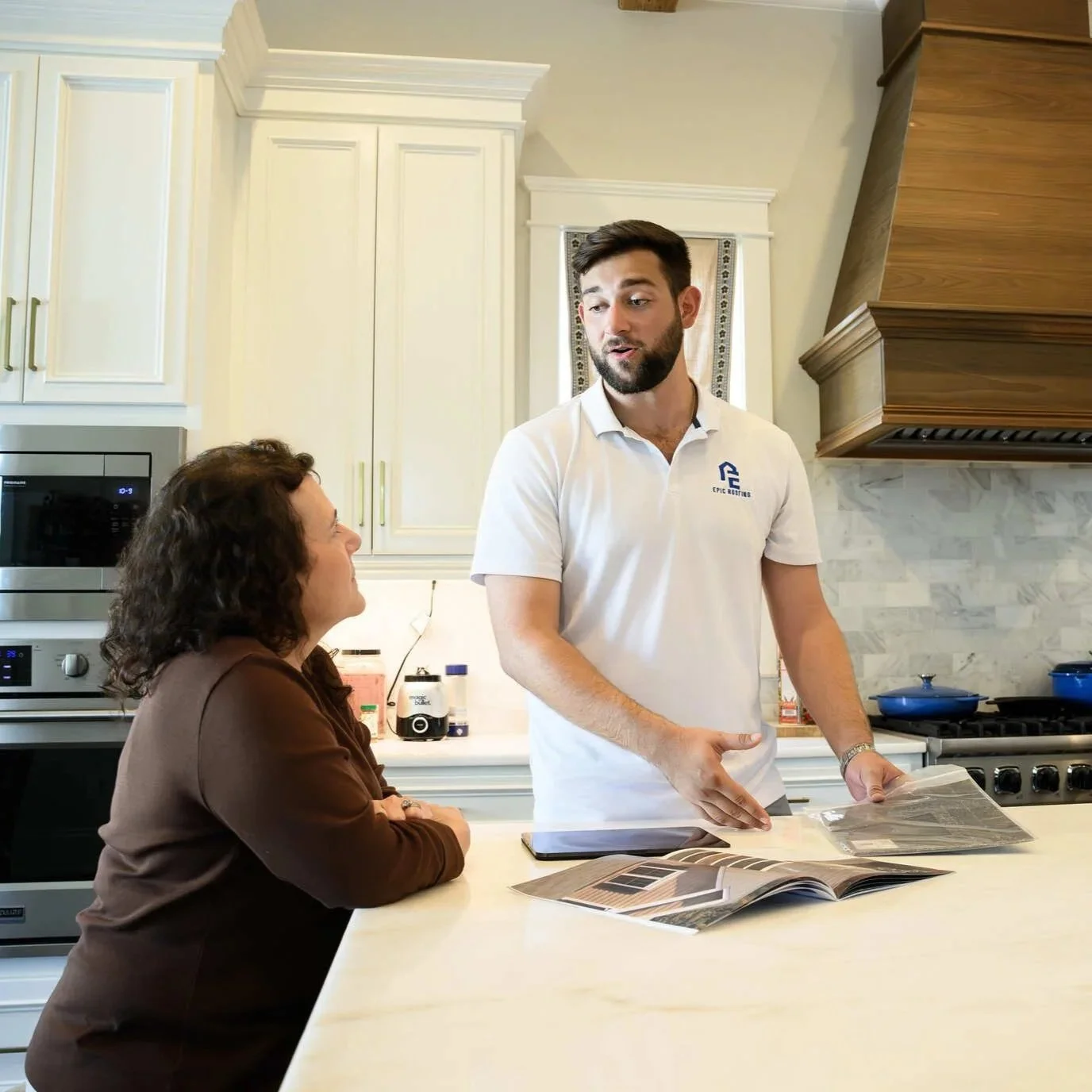
A trusted local roofer guides a homeowner through roof insurance claim paperwork, turning a stressful process into smooth, confident sailing.
Every homeowner who’s ever tried to file a roof insurance claim knows the feeling—it’s like being tossed into stormy seas with nothing but a stack of forms and a sinking ship. Between confusing terminology, endless phone calls, and the fear of being denied, the process can feel like an adventure gone wrong. But professional roofers who specialize in insurance claim assistance and documentation are the captains of this voyage. They know how to read the map, speak the language, and steer the ship safely toward calmer waters.
For homeowners, the storm doesn’t end when the weather clears. The real battle begins when it’s time to deal with the insurance company. That’s where experienced roofing companies step in as navigators, transforming chaos into clarity. They turn an overwhelming process into a straightforward one, helping homeowners recover faster while protecting their property.
Reading The Map: Understanding Insurance Claims
Insurance policies are notorious for fine print and technical phrases that could confuse even the most seasoned sailor. What does “actual cash value” really mean? How about “depreciation,” “exclusions,” or “deductible thresholds”? Instead of trying to decode the policy on their own, homeowners can rely on roofing experts who know how to interpret coverage terms and identify what qualifies for repair or replacement.
Professional roofing companies that offer insurance claim assistance and documentation review your policy alongside a detailed inspection report. They help you understand what’s covered, what’s not, and what supporting evidence your insurer needs to approve the claim. Rather than drifting aimlessly in insurance jargon, you get a clear, step-by-step explanation of how to move forward.
Spotting Hidden Damage Before It Sinks You
Not all roof damage is visible from the street. While missing shingles or obvious leaks grab attention, many problems remain hidden beneath the surface. Water infiltration can travel along rafters, soak insulation, and weaken decking long before it becomes visible. Professional roofers use specialized tools such as infrared scanners, drones, and moisture meters to detect damage you can’t see.
When they compile their findings into detailed documentation, the hidden problems that insurance adjusters might otherwise miss are brought to light. That information can make the difference between partial coverage and a full repair. It’s the equivalent of spotting an iceberg before it takes out the hull—better to identify it early than deal with the consequences later.
The Pirate’s Code Of Paperwork
Insurance claims can feel like treasure hunts without a map, but professional roofing companies are experts in navigation. They know exactly which forms, photos, and reports your insurer needs. Every document they produce is detailed, organized, and tailored to meet insurance standards.
Their process often starts with an initial inspection, followed by a written report outlining the extent of the damage, material specifications, and estimated costs. They take comprehensive photos from multiple angles and provide annotated visuals that clarify the claim. When adjusters receive this kind of organized documentation, it speeds up the review process and minimizes confusion.
Instead of drowning in paperwork, homeowners can rest easy knowing their roofing company is handling the voyage from start to finish. It’s like having a professional crew that knows how to chart the course, patch the sails, and reach port without losing cargo—or sanity.
Sailing Smoothly With Adjusters
Meeting with insurance adjusters can feel intimidating for homeowners. Adjusters represent the insurance company’s interests, and while they play a vital role, they don’t always catch every detail of the damage. That’s why having a professional roofer present during the inspection makes such a difference.
Roofers provide context, explain technical details, and highlight areas that need repair. They can discuss local building codes, material standards, and manufacturer guidelines to back up their recommendations. That collaboration leads to smoother communication, fewer misunderstandings, and more accurate claim evaluations.
Professional roofing companies often have established relationships with local adjusters. That familiarity creates trust and efficiency, as both parties understand the process and expectations. It’s a partnership that benefits homeowners by keeping everything transparent and efficient.
Avoiding The Siren Song Of DIY Claims
Handling a roof claim alone can feel like setting sail without a compass. Many homeowners attempt to file independently, thinking it will save money or speed things up. Unfortunately, it often leads to frustration, incomplete reports, or underpaid claims.
Professional roofing experts know how to present findings in accordance with insurance protocols. Their technical precision and knowledge of materials help avoid vague or conflicting statements that could cause delays. Without professional documentation, even valid claims can be dismissed for lack of evidence.
Think of professional claim assistance as hiring a seasoned navigator who knows every current, reef, and hidden sandbar. You could go it alone, but the odds of hitting smooth sailing are much higher with an expert at the helm.
Weathering The Waiting Game
The hardest part of any claim process is the waiting. Between initial inspections, adjuster visits, and approval timelines, homeowners can feel stuck in limbo. Roofing professionals help keep the process moving by staying in communication with insurance representatives and providing any additional information needed.
They understand how to keep claims from stalling. Whether it’s submitting supplemental documents, clarifying estimates, or verifying repair costs, they respond quickly and professionally. That consistent follow-up prevents claims from slipping through the cracks.
Their involvement also helps eliminate unnecessary stress for homeowners. Instead of chasing updates or worrying about missing information, clients can relax knowing their roofing team is managing every detail. The waiting may still take time, but it’s a much smoother voyage with someone else steering the paperwork.
Real Stories From Calm Seas
Every successful claim tells a story of professionalism and persistence. One homeowner in a coastal town suffered severe wind damage, leaving sections of the roof exposed. They contacted a roofing company known for insurance claim assistance and documentation. Within 24 hours, the roofer inspected, photographed, and filed a detailed report. When the adjuster arrived, everything was neatly organized, including diagrams, cost breakdowns, and material samples. The claim was approved in less than two weeks, and the homeowner’s new roof was stronger than before.
Another homeowner, miles inland, faced a different challenge. Their initial claim was denied because the adjuster determined that the roof damage was due to “age” rather than hail impact. A second inspection by a certified roofer revealed circular hail dents across multiple slopes, along with cracked sealant around vents. With professional documentation, including drone imagery and precise measurements, the insurance company reversed its decision and approved a full replacement. The homeowner called it “the easiest hard process ever.”
Why Local Roofers Make The Best Navigators
Local roofing experts have a distinct advantage when it comes to claim support. They understand regional weather patterns, building materials, and insurance trends specific to the area. They also have experience with local adjusters, which streamlines communication.
When a major storm hits, these roofers know what to look for and how to document damage typical for that region. They’re familiar with city permitting, safety standards, and homeowner association requirements. That knowledge makes their documentation even stronger and more credible during insurance review.
Homeowners also benefit from faster service. Local professionals can inspect properties quickly after a storm, preventing further deterioration or water intrusion. Their proximity means you won’t be left waiting for days while your roof continues to leak. When the seas get rough, a local captain always reaches port first.
The Treasure Of Technology
Technology has revolutionized the way professional roofers handle insurance claims. Drones capture aerial images of the roof from every angle, revealing damage patterns that might not be visible from the ground. Infrared scanners detect hidden moisture or insulation issues. Digital reporting tools compile everything into clear, professional documents that insurance companies can review quickly.
That combination of craftsmanship and technology makes modern claim assistance more accurate and transparent. It also builds credibility with insurers, who rely on factual, data-driven evidence. When your roofer provides high-resolution photos, thermal maps, and clear explanations, it removes the guesswork and accelerates approvals.
Timing The Perfect Voyage
Acting quickly after roof damage is critical. Most insurance companies have a limited window for filing claims, and waiting too long can jeopardize eligibility. Professional roofers know how to move fast without cutting corners.
After major storms, they often offer emergency inspections and temporary repairs to protect your home from further damage. They document everything thoroughly before any repairs begin, preserving evidence for the claim. Acting promptly not only strengthens your case but also minimizes long-term repair costs.
It’s like catching the tide at just the right time—move too early, and you miss details; move too late, and you risk being swept off course. Professionals know exactly when and how to act for the best possible outcome.
Keeping Your Cool When The Seas Get Rough
When a roof is damaged, stress levels rise quickly. Homeowners worry about costs, deadlines, and whether the insurance company will cooperate. Professional roofers bring calm to that chaos. They take charge of the process, communicate clearly, and keep expectations realistic.
By managing both physical repairs and administrative details, they simplify a process that would otherwise feel overwhelming. Their guidance replaces confusion with confidence and transforms frustration into relief.
It’s comforting to know that while storms may be unpredictable, your recovery doesn’t have to be. With the right roofing team, every step is handled professionally and with care, keeping your home safe and your sanity intact.
The Calm After The Claim
Once the claim is approved and the roof is restored, the benefits of professional insurance claim assistance and documentation become clear. Homeowners receive not only a repaired roof but also a complete record of the process, photos, reports, and warranties that serve as proof of quality work. That documentation can be valuable later for home sales, future insurance renewals, or warranty claims.
More importantly, homeowners gain peace of mind knowing that everything was handled correctly from start to finish. No missing paperwork, no unanswered calls, and no lingering uncertainty about coverage. It’s a fresh start and a stronger home, all achieved through professional expertise.
So when the storm clouds gather, and the paperwork starts piling up, remember that you don’t have to sail those waters alone. Professional roofing companies with insurance claim assistance and documentation services are the calm in the chaos. They steer the process with precision, integrity, and maybe a little humor—because even pirates need to laugh while they navigate the storm. With their guidance, every homeowner can claim calm, collect their fair share, and sail home to safety under a brand-new roof.
