
The Louisiana Roof Annual Maintenance Calendar (Season by Season)
A Louisiana roof maintained on a seasonal schedule lasts 25-30% longer than the same roof maintained reactively. The maintenance calendar is short — roughly a dozen tasks across four windows per year — and preventive cost is roughly $200-$400 annually. Skipping it costs the homeowner an early replacement that runs $14,000-$23,000. The math is decisively in favor of the calendar.
Most Louisiana homeowners think about the roof twice — once when a leak appears, and once when replacement becomes unavoidable. The seasons in between contain six maintenance tasks that, if done on schedule, push replacement back by 5-10 years. The schedule below is what Northshore roofers wish more homeowners ran.
Louisiana's climate produces a specific maintenance rhythm. Spring is the highest-ROI window because it precedes hurricane season. Summer is rest mode — heat makes work miserable, and most tasks wait. Fall handles cleanup after hurricane season ends. Winter is the quiet inspection window when access is easiest, and contractor scheduling is open.
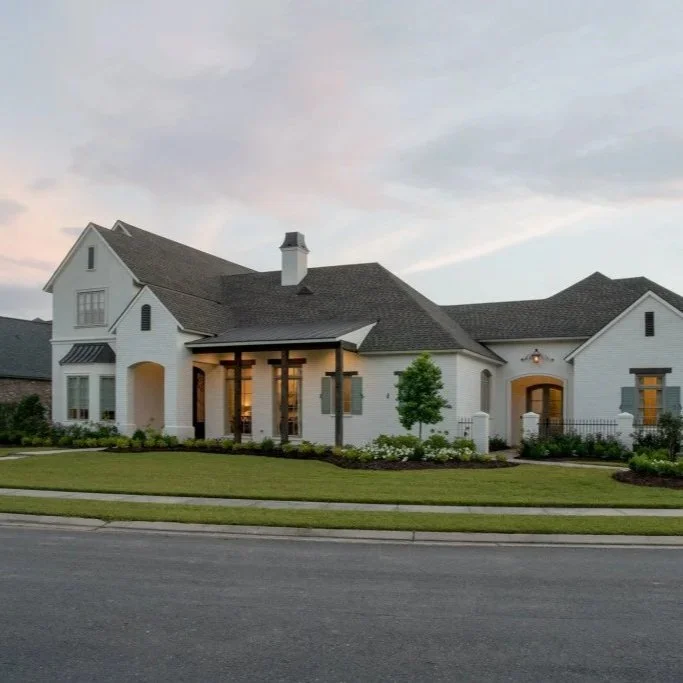
Louisiana home with maintained roofing system prepared for seasonal inspections, hurricane protection, and year-round roof maintenance planning strategies.
Spring (March-April) — The Pre-Hurricane Window
The single highest-priority maintenance window of the year. Everything that needs doing before hurricane season starts on June 1 happens here. Six specific tasks:
Task 1 — Full perimeter visual inspection
Walk the property with a phone camera. Photograph every roof slope from the four corners. Close-ups of every chimney, vent, valley, and edge. Compare against last year's photos if available. The documentation set serves as evidence for any insurance claim filed after a storm later in the year.
Task 2 — Pipe boot inspection (and replacement if cracked)
Pipe boots — the rubber collars around plumbing vent stacks — fail in 5-10 years in Gulf Coast UV. Cracks visible around the rubber where it meets the pipe are the cue to replace. Replacement runs $40 in materials, $150-$400 from a roofer. Skipping this task produces the most common Northshore leak source 12-18 months later.
Task 3 — Gutter and downspout cleaning
Spanish moss, oak leaves, and pine needles dam up gutters across the Northshore. Clogged gutters back up under the drip edge and into the soffit, producing fascia rot and decking damage. Annual cleaning runs $150-$350 for a typical home, depending on roof complexity and access. Some heavily-treed subdivisions need twice-yearly cleaning.
Task 4 — Tree trimming (overhanging limbs back to 10+ feet of clearance)
Single highest-ROI maintenance action. Tree-on-roof damage from Hurricane Ida (2021) and Hurricane Francine (2024) confirms that overhanging limbs are the leading cause of catastrophic roof loss on the Northshore. Arborist visit: $300-$800, typical for trim-back. Prevented damage: $15,000-$80,000 in tree-strike repair the homeowner avoids on average across multi-storm cycles.
Task 5 — Attic moisture and ventilation check
Walk the attic with a flashlight. Look for: dark stains on decking (existing leak signature), wet insulation, mold rings, daylight where there should be none, blocked soffit vents, and non-functional powered fans. Spring is the right window because winter rains have already tested the roof, and summer heat will soon make attic walks dangerous.
Task 6 — Insurance policy review
Pull the declarations page. Confirm: wind coverage active, RCV vs ACV status, hurricane deductible amount, FORTIFIED discount applied if eligible, and admitted vs surplus lines status. Call the agent for anything unclear — agents are responsive in March-April and unresponsive in late August when storms are forming.
Summer (May-August) — Hold Mode
Most Louisiana roof work waits during the summer. The two reasons: extreme heat makes asphalt shingle installation more error-prone (adhesive cure timing changes, crews fatigue faster), and daily afternoon thunderstorms cancel half the available work windows. Major repairs and replacements scheduled for summer often slip into fall.
What still happens in summer
Emergency repairs after thunderstorm damage — covered by insurance claim where applicable.
FEMA Operation Blue Roof tarping after federally-declared disasters (if a tropical system makes landfall).
FORTIFIED Roof grant applications — Louisiana Fortify Homes Program windows often open during the summer for fall installations.
Document anything that changes — new leaks, new damage, new ceiling stains. Fast documentation supports claim outcomes.
What does NOT happen well in summer
Routine inspections (skip until fall — heat makes attic walks dangerous and contractor inspection slots are limited). Voluntary replacements (defer to fall when scheduling opens up). Cosmetic upgrades like color changes or material category changes (defer to spring or fall when contractor capacity is flexible).
Avoid hiring out-of-state storm-chaser contractors who appear in the wake of summer hurricanes. Established Northshore roofers fill post-storm queues within 24-48 hours, but the wait is worth it. Verify any contractor's LSLBC license at lslbc.louisiana.gov before signing anything, regardless of urgency.
Fall (October-November) — The Post-Hurricane and Annual-Cleanup Window
Hurricane season officially ends on November 30. October-November is the second most-productive maintenance window after spring — weather cooperates, contractor scheduling opens up, and the post-storm assessment for the season can be completed before winter.
Task 1 — Post-hurricane-season inspection
Even seasons that did not produce a direct landfall produce cumulative wear. Sustained moderate winds during near-misses, heavy rain events, and tropical system passings all stress the roof. The October-November inspection identifies what needs fixing before winter rain produces leaks.
Task 2 — Gutter cleaning (round 2)
Fall debris drop — primarily oak leaves on the Northshore — fills gutters between October and December. Second annual gutter cleaning either prevents winter water damage or catches it early. Heavily-treed properties need this; sparsely-treed properties can sometimes skip if spring cleaning was thorough.
Task 3 — Sealant and flashing touch-up
Visible sealant cracks on flashing details (chimney apron, vent boots, sidewall step flashing) get a touch-up application before winter rain. Material cost: $20-$40 in sealant. Labor: 30-60 minutes for a roofer doing an inspection. Prevents winter leaks from minor sealant failures that would have been expensive in January.
Task 4 — Schedule any needed major work for winter
Replacements identified in the fall inspection should be scheduled for December-February. Northshore winter is mild enough for asphalt installation; contractor scheduling is most flexible; and material pricing tends to be steady. Wait until spring and scheduling tightens significantly as homeowners start hurricane prep.
Winter (December-February) — Quiet Inspection and Replacement Window
Northshore winter is the underrated maintenance season. Cold fronts produce occasional rain, but nothing like summer thunderstorms. Crews can work full days. Contractor scheduling is open. Homeowners are not in hurricane-prep urgency mode. The right window for major work that does not have to happen in spring or fall.
Task 1 — Major repairs and replacements
Anything identified in fall inspection. Decking repair, full re-shingle, FORTIFIED upgrade installation. Winter scheduling produces better contractor attention because the queue is shorter and crews are not stretched across simultaneous projects.
Task 2 — Insulation upgrades (combined with roof work)
If the roof is being torn off for replacement, attic insulation upgrades are dramatically cheaper than as a separate project. Blown-in insulation cost during a re-roof: $1,500-$3,500, typical. As a separate project: $3,000-$5,000+. Bundle the work.
Task 3 — Plan the spring inspection visit
Schedule the spring (March-April) inspection in advance. Established Northshore roofers fill spring inspection slots by late February. Booking in winter ensures the homeowner gets the preferred contractor in the preferred window.
The Annual Cost of Maintenance vs the Cost of Skipping It
| Maintenance Item | Annual Cost | What Skipping Costs |
|---|---|---|
| Spring + fall inspection | $0 (free from most roofers) | Missed early failures = bigger repairs |
| Gutter cleaning (2x/year) | $300-$700 | Fascia rot ($1,500-$5,000 to repair) |
| Tree trimming (annual) | $300-$800 | Tree-on-roof damage ($15,000-$80,000) |
| Pipe boot replacement (every 7 yrs) | $25-$70/year amortized | Boot leak interior damage ($2,000-$10,000) |
| Sealant touch-up | $0-$100 | Flashing leak interior damage ($3,000-$15,000) |
| TOTAL ANNUAL | $625-$1,670 | Single missed item often exceeds 10 years of maintenance |
Cumulative annual maintenance for a typical Northshore home runs $625-$1,670. Cumulative cost over a 25-year roof lifespan: $15,000-$42,000. The cost of skipping maintenance is often a single $20,000-$80,000 event that consumes a decade's worth of preventive savings. The math is decisively pro-maintenance.
Where the Standard Calendar Doesn't Apply
Roofs over 20 years old
Once a roof passes 20 years on the Northshore, the maintenance calculus shifts toward replacement planning rather than preservation. Continued maintenance still has value (delays the replacement), but the homeowner should be actively budgeting for replacement and considering FORTIFIED upgrade with grant timing rather than investing heavily in the existing roof.
Insurance-non-renewed roofs
If the carrier has flagged the roof for non-renewal at the next cycle, the maintenance calendar is not enough. The roof needs replacement before the non-renewal lapses coverage. Trying to extend a non-renewable roof through maintenance creates an insurance gap that is more expensive than just replacing the roof.
Coastal exposure (waterfront)
Roofs on Lake Pontchartrain waterfront and Mandeville lakefront properties experience accelerated salt and humidity exposure. Maintenance frequency should increase — quarterly perimeter walks instead of semiannual, a more aggressive flashing replacement schedule, and more frequent fastener corrosion checks.
Frequently Asked Questions
$625-$1,670 per year for a typical home covers gutter cleaning (2x), tree trimming, pipe boot replacement (amortized), sealant touch-up, and inspection follow-up repairs. Inspections themselves are typically free from established Northshore contractors.
Twice a year minimum: spring (March-April) before hurricane season, fall (October-November) after hurricane season. Plus event-driven inspections after any significant storm, regardless of season. Established roofers offer free inspections that take 30-60 minutes.
No. Insurance covers sudden accidental damage from covered events. Preventive maintenance is a homeowner’s expense. Documented maintenance does, however, support insurance claims when storm damage does occur — carriers cite "failure to maintain" to reduce or deny claims on unmaintained roofs.
Ground-level visual inspection and gutter cleaning from a sturdy ladder are within DIY scope for many homeowners. Anything requiring roof access is professional territory — pipe boot replacement, flashing work, sealant touch-up on rooftop components. The fall from a typical Northshore two-story eave (18-22 feet) is the leading cause of homeowner DIY ER visits in Louisiana.
Tree trimming. Overhanging limbs are the leading cause of catastrophic roof damage on the Northshore. A $300-$800 arborist visit prevents an average of $15,000-$80,000 in tree-strike repair across multi-storm cycles. No other single annual task has the same return.
Maintain on the Calendar or Replace Earlier
Louisiana roofs have a stated lifespan and a real-world Northshore lifespan, and the difference between the two is mostly about maintenance discipline. The roofs that hit 28 years on a 30-year shingle were maintained on a calendar. The roofs that needed replacement at 18 years were not. The annual cost is small. The consequence of skipping is not. Run the calendar.
