
Signs Your Roof Needs Repair or Replacement
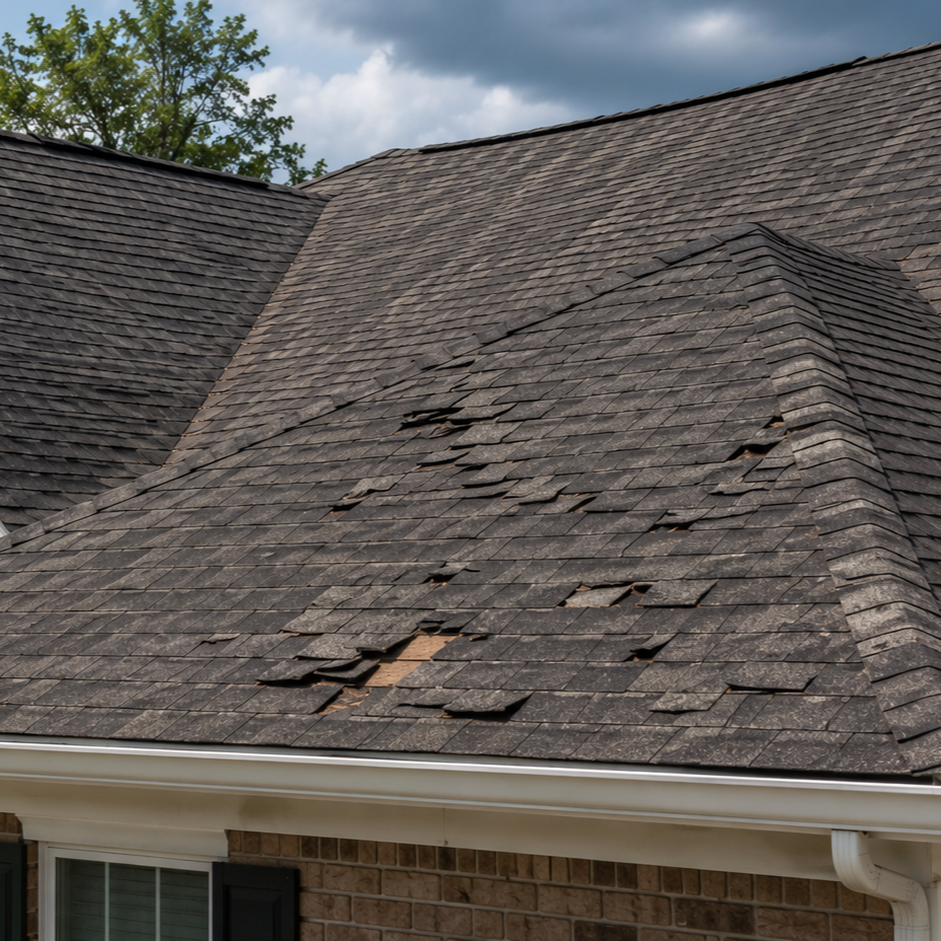
Quick Answer: Signs your roof needs attention include missing, cracked, curling, or buckling shingles; granules collecting in gutters; water stains on ceilings or walls; visible leaks or daylight in the attic; sagging areas; and a roof that's simply old and worn. Whether you need a repair or a full replacement depends on the extent of the damage and the roof's age. Isolated damage — a few missing shingles or a localized leak — on an otherwise sound roof is usually a repair. Widespread damage, a roof near the end of its lifespan, extensive leaks, or significant deterioration point to replacement. Catching the signs early lets you address problems before water damages the structure beneath.
Your roof shields everything under it, so knowing when it needs attention — and whether that means a repair or a full replacement — really matters. Roofs give you warning signs as they age and after storms roll through, and catching those early keeps water from doing damage inside. Here's what to watch for and how to tell which one you need.
The Warning Signs
A roof that needs attention usually shows it in a few clear ways. Up on the roof, look for missing shingles, or shingles that are cracked, curling, buckling, or otherwise beat up. If you find granules from your asphalt shingles piling up in the gutters, the shingles are wearing down. Inside the house, water stains on ceilings or walls, an active leak, or daylight coming through the attic all mean water is finding its way in. A spot in the roof that sags is a more serious, structural warning. And a roof that just looks old and worn all over is telling you it's near the end of its run. Any of these is a reason to get the roof looked at.
| Sign | What it indicates |
|---|---|
| Missing, cracked, or curling shingles | Damage or wear |
| Granules in the gutters | Shingles wearing down |
| Water stains on ceilings/walls | Water getting in |
| Visible leaks or attic daylight | Active water intrusion |
| Sagging roof areas | Structural concern |
| Old, worn roof overall | Nearing end of lifespan |
Repair or Replace: The Basic Idea
Once you've spotted trouble, the real question is whether a repair will handle it or the whole roof needs replacing. It comes down to two things: how much of the roof is damaged, and how old it is. Isolated, localized damage on a roof that's otherwise in good shape is usually a repair — fix the bad spot and the roof's back in business. But widespread damage, a roof near the end of its life, or heavy deterioration leans toward replacement, because patching one area of a worn-out roof just leaves the rest waiting to fail. So it's not only what's wrong, but how much of the roof it touches and how old the thing is.
When a Repair Makes Sense
A repair is the right call when the damage is limited, and the rest of the roof is sound. Good candidates are a few missing or damaged shingles, a leak in one spot, or damage that's confined to one area — say from a fallen branch or a single trouble spot — while the rest of the roof is in good shape with years left. In those cases, fixing the bad area solves it without the cost of a whole new roof. The thing that makes it work is that the overall roof is still in good condition, so handling the one isolated problem takes care of it, and the rest of the roof keeps doing its job.
When Replacement Is the Answer
Replacement becomes the smarter move when the damage or wear is spread out, or the roof is near the end of its life. The signs that point that way: damage across much of the roof, an old, worn-out roof, leaks in several places that keep coming back, heavy deterioration, or a sagging structure. Here, fixing one spot is a losing battle because the rest of the roof is failing too, and new problems will keep popping up. A roof that's reached the end of its life, or that's damaged all over, is better replaced — you get a sound, reliable roof instead of a patchwork that keeps springing leaks. On the Gulf Coast especially, a roof worn down by age or storms is worth replacing before the next big one puts it to the test.
Look over your roof and attic after major storms and a couple of times a year. Catching a few missing shingles or an early leak — and dealing with it right away — can keep a small repair from turning into water damage inside. The sooner you catch the signs, the better the odds a simple repair will do the job.
Why Acting Early Matters
The reason to jump on roof problems is simple: a compromised roof lets water in, and water wrecks the structure underneath — the decking, the framing, the insulation, the inside of your home — turning a roofing job into a much bigger one. Catch the signs early, whether they call for a repair or a replacement, and you can deal with the problem before water does that kind of damage. You also get to make the repair-or-replace call on your own terms instead of scrambling after a roof gives out in a storm. Because the right answer depends on assessing the damage and the roof's condition, a roofer can evaluate it, tell you whether a repair or replacement is appropriate, and handle it before the next storm. In a hurricane-prone area, especially, a sound roof is protection you don't want to gamble on.
Frequently Asked Questions
Signs include missing, cracked, curling, or buckling shingles; granules collecting in gutters; water stains on ceilings or walls; visible leaks or daylight in the attic; sagging roof areas; and an old, worn roof overall. Any of these means the roof needs evaluation. Whether it's a repair or replacement depends on how extensive the damage is and the roof's age.
It depends on the extent of the damage and the roof's age. Isolated damage — a few missing shingles or a localized leak — on an otherwise sound roof is usually a repair. Widespread damage, a roof near the end of its lifespan, multiple leaks, or significant deterioration point to replacement, since patching one area of a worn-out roof leaves the rest to fail. An assessment determines which.
A repair is enough when the damage is limited, and the roof is otherwise in good condition — for example, a few damaged shingles or a localized leak from a specific cause, while the rest of the roof has life left. Repairing the affected area addresses the problem without a full replacement. The key is that the overall roof is sound, so fixing the isolated issue solves it.
Replace when the damage or wear is widespread, or the roof is near the end of its life — extensive damage, an old and worn roof, multiple or recurring leaks, significant deterioration, or sagging. In these cases, repairing one spot doesn't last because the rest of the roof is also failing. A full replacement gives you a sound, reliable roof rather than a patchwork that keeps leaking.
Granules are the protective surface on asphalt shingles, and when they wear off and collect in your gutters, it indicates the shingles are deteriorating and losing their protective layer. Significant granule loss is a sign that the shingles are wearing out, and the roof may be aging. It's one of the signs that, especially combined with others, suggests the roof needs evaluation for repair or replacement.
Promptly. A compromised roof lets water in, and water damages the structure beneath — decking, framing, insulation, and interior — turning a roofing issue into a much larger, costlier repair. Catching the signs early lets you fix the problem before that damage occurs and make the repair-or-replace decision deliberately rather than after a failure. In storm-prone areas, especially, keeping the roof sound is important protection.
Catch the Signs, Make the Right Call
Your roof tells you when it needs attention — missing or damaged shingles, granules in the gutters, water stains, leaks, sagging, or plain old wear. Whether you need a repair or a replacement comes down to how much of the roof is damaged and how old it is: isolated damage on a sound roof is a repair, while widespread damage or a worn-out roof calls for replacement. Catch the signs early and act on them, and you keep water from wrecking the structure underneath.
Seeing signs of roof trouble? — Get your roof evaluated for whether it needs a repair or replacement before the next storm. Epic Roofing LLC serves Mandeville, Covington, Baton Rouge. Call (225) 819-3742.
