
What Is FORTIFIED Roofing — and Why It Matters Here
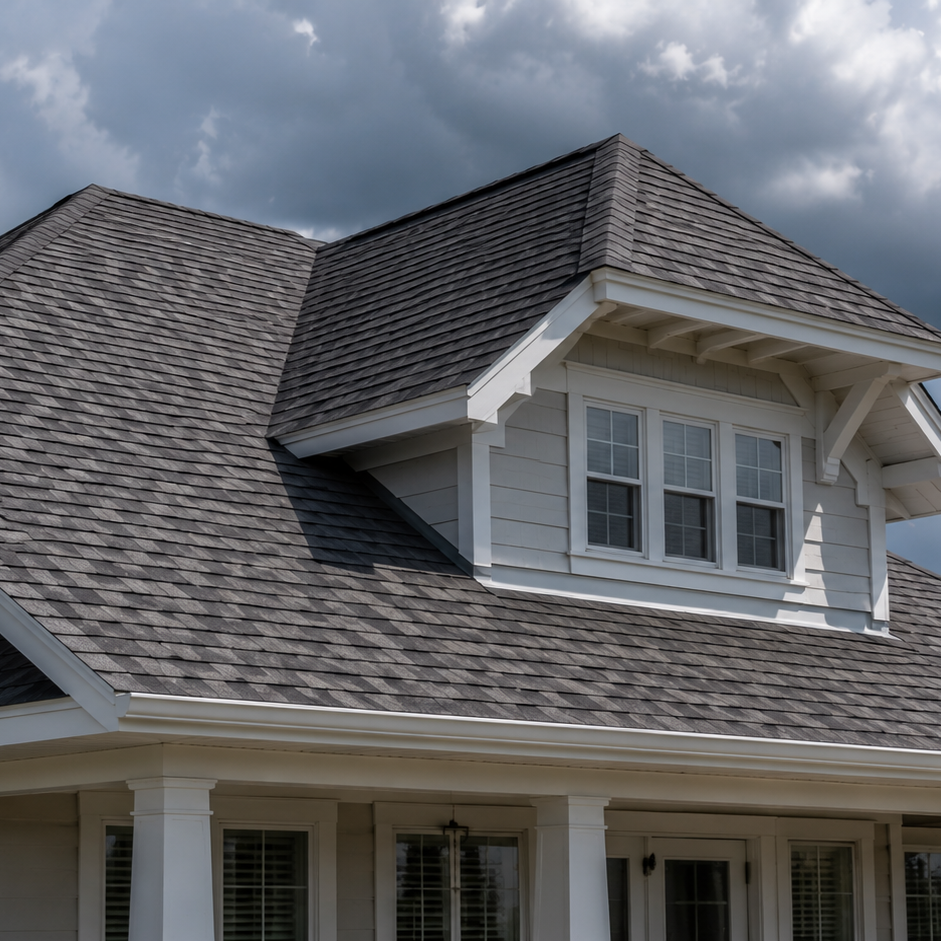
Quick Answer: FORTIFIED is a voluntary construction and re-roofing standard, developed by a research institute, designed to make roofs more resistant to severe weather like high winds and hurricanes. It goes beyond standard building code with specific stronger methods — such as sealing the roof deck to keep water out if shingles blow off, using better fastening and stronger attachment of the roof components, and reinforcing key areas — so the roof is far more likely to stay intact and keep water out during a major storm. On the Gulf Coast, where hurricanes and severe storms are a real threat, FORTIFIED roofing matters because it can significantly improve a roof's chances of surviving a storm, protecting the home and potentially offering insurance benefits.
If you live on the Gulf Coast, you know roofs face a serious test every storm season. FORTIFIED roofing is a standard built specifically to help roofs stand up to that test. It's a term you may hear from roofers or insurers, and understanding what it means — and why it matters in a hurricane-prone area — helps you make a smart decision about protecting your home. Here's an overview.
What FORTIFIED Roofing Is
FORTIFIED is a voluntary building standard developed by a building safety research institute to make homes — starting with the roof — more resistant to severe weather, including high winds, hurricanes, and other storms. It's a set of stronger construction and re-roofing methods that go beyond standard building code requirements, based on research into how homes fail in storms and what makes them hold up. A roof built or re-roofed to the FORTIFIED standard meets specific requirements designed to keep the roof intact and the water out during severe weather. So FORTIFIED isn't a brand of shingle — it's a standard of how the roof is built and attached, focused on resilience against storms.
What Makes a FORTIFIED Roof Stronger
The FORTIFIED approach strengthens a roof in several specific ways that address how roofs typically fail in storms. A key element is sealing the roof deck — treating the surface under the shingles so that even if shingles are blown off in a storm, the sealed deck helps keep water from pouring into the home. The standard also calls for stronger fastening and attachment of roof components, using enhanced nailing patterns and methods, so the roof is better anchored against high winds that try to peel it off. Reinforcing vulnerable areas like the roof edges and paying attention to how the roof components are connected further helps the roof resist wind uplift and stay together. These measures target the specific failure points — shingles blowing off, water getting in, the roof lifting — that cause roofs to fail in major storms.
| FORTIFIED feature | Why it helps in a storm |
|---|---|
| Sealed roof deck | Keeps water out even if shingles blow off |
| Stronger fastening/nailing | Better resists wind trying to peel the roof |
| Reinforced edges and attachment | Resists wind uplift |
| Beyond-code methods | More resilient than standard construction |
Why It Matters on the Gulf Coast
The reason FORTIFIED roofing matters so much on the Gulf Coast is the weather. This region faces real threats from hurricanes and severe storms with high winds and heavy rain, which regularly damage and destroy roofs. A standard roof can lose shingles and let water in during a major storm, leading to extensive damage. A FORTIFIED roof, built to resist these specific stresses, is far more likely to stay intact and keep water out during severe weather — significantly improving the home's chances of coming through a storm with less damage. In a hurricane-prone area, where the question isn't if a major storm will come but when, building or re-roofing to a stronger standard is a meaningful investment in protecting your home. That's why FORTIFIED is especially relevant here, more so than in regions with milder weather.
The Potential Benefits
Beyond the core benefit of a more storm-resistant roof, FORTIFIED roofing can offer additional advantages. The most direct is protection — a roof more likely to survive a storm means less damage to your home, fewer repairs, and better protection for everything inside. There can also be insurance-related benefits: in some areas, insurers offer incentives or discounts for FORTIFIED construction, recognizing the reduced risk, so a FORTIFIED roof may help with insurance considerations. The combination of better storm protection and potential insurance benefits is part of why homeowners in storm-prone areas consider FORTIFIED roofing when building or re-roofing. A roofing professional familiar with the standard can explain the specific requirements and benefits for your situation.
If you're due for a new roof on the Gulf Coast, ask your roofer about building it to the FORTIFIED standard rather than just standard construction. Since you're replacing the roof anyway, it can be the right moment to invest in the stronger methods that help it stand up to hurricane-force weather — and to ask about any insurance incentives.
Why Consider It for Your Home
For a Gulf Coast home, FORTIFIED roofing is worth considering because it directly addresses the biggest threat to the roof: severe storms. Building or re-roofing to this stronger standard gives the roof a much better chance of staying intact and keeping water out when a major storm hits, protecting your home from the extensive damage a failed roof allows. While it involves the stronger methods and the standard's requirements, the payoff is resilience in exactly the conditions this region faces. Because FORTIFIED involves specific construction requirements and verification, working with a roofing professional experienced with the standard ensures it's done correctly to actually deliver the protection. In a region defined by storm season, a roof built to resist storms is a sound investment.
Frequently Asked Questions
FORTIFIED is a voluntary building standard, developed by a building safety research institute, designed to make roofs more resistant to severe weather like high winds and hurricanes. It uses specific, stronger construction and re-roofing methods that go beyond standard building code, based on research into how homes fail in storms. A FORTIFIED roof meets requirements aimed at keeping the roof intact and water out during severe weather.
A FORTIFIED roof uses stronger methods than standard construction: sealing the roof deck so water stays out even if shingles blow off, stronger fastening and nailing to resist wind, and reinforcing vulnerable areas like edges. These go beyond code and target the specific ways roofs fail in storms. So a FORTIFIED roof is built to be more resilient against high winds and severe weather than a standard roof.
Because the Gulf Coast faces real threats from hurricanes and severe storms with high winds and heavy rain that regularly damage roofs. A standard roof can lose shingles and let water in during a major storm. A FORTIFIED roof, built to resist these stresses, is far more likely to stay intact and keep water out, significantly improving the home's chances in a storm. In a hurricane-prone area, that resilience is especially valuable.
It can in some cases. Because FORTIFIED construction reduces storm risk, some insurers offer incentives or discounts for it, recognizing the lower likelihood of damage. So a FORTIFIED roof may help with insurance considerations in addition to its core benefit of better storm protection. The specifics vary, so it's worth asking about available insurance incentives in your area when considering FORTIFIED roofing.
For a storm-prone area like the Gulf Coast, many homeowners find it worthwhile, because it directly addresses the biggest threat to the roof — severe storms. The stronger methods give the roof a much better chance of surviving a major storm with less damage, protecting the home, and there may be insurance benefits. Whether it's right for you depends on your situation, but in a hurricane-prone region, resilience is a meaningful investment.
FORTIFIED involves specific construction requirements and verification, so working with a roofing professional experienced with the standard helps ensure it's done correctly to deliver the intended protection. A roofer familiar with FORTIFIED can explain the requirements and benefits for your home and build the roof to meet the standard. Doing it right is what makes the stronger methods actually provide the storm resistance.
Build for the Storms You'll Face
FORTIFIED roofing is a voluntary standard of stronger construction methods — sealing the deck, enhanced fastening, and reinforcing key areas — designed to help roofs resist high winds and hurricanes beyond what standard code requires. On the Gulf Coast, where severe storms are a recurring threat, that resilience matters, giving a roof a much better chance of staying intact and keeping water out during a major storm, with potential insurance benefits too. If you're building or re-roofing here, it's worth considering.
Want a roof built to stand up to Gulf Coast storms? — Ask about FORTIFIED roofing and stronger construction for your home. Epic Roofing LLC serves Mandeville, Covington, Baton Rouge. Call (225) 819-3742.
